Hotels With Meeting Rooms: Your Guide To Venues For Events And Conferences
3 min read
Finding the Perfect Venue: A Comprehensive Guide to Hotels and Meeting rooms
Choosing the right venue for your meeting, conference, or event is crucial for its success. Whether you’re planning a small team gathering or a large-scale convention, the hotel and its meeting facilities play a significant role. This guide explores the key factors to consider when selecting a hotel and its meeting rooms, helping you make an informed decision that meets your specific needs.
Understanding Your Needs: The Foundation of Venue Selection
Before diving into the search process, it’s essential to clearly define your requirements. This includes:
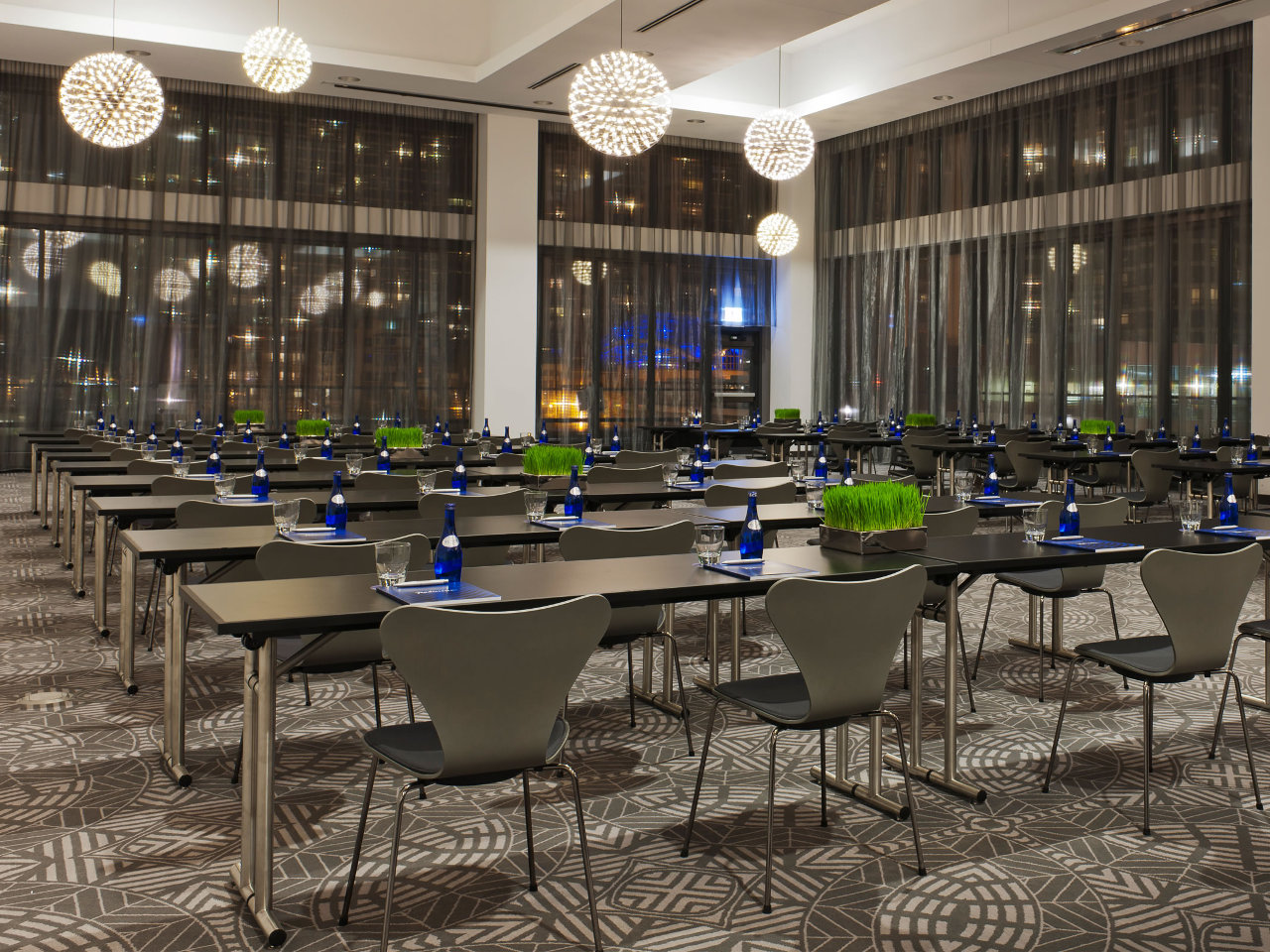
Loop hotels for meetings Choose Chicago
Meeting Purpose: What is the objective of your meeting? Is it a training session, a product launch, a team-building activity, or a formal conference? The purpose will influence the type of room and amenities you require.
Number of Attendees: Accurate headcount is vital. You need a room that comfortably accommodates your guests without feeling cramped or overly spacious. Consider potential fluctuations in attendance.
Budget: Establish a realistic budget early on. Hotel meeting rooms vary significantly in price, so knowing your budget will help narrow your search.
Location: Convenience is key. Consider the accessibility of the hotel for your attendees, including proximity to airports, public transportation, and major roads. Think about whether you need accommodation for attendees traveling from out of town.
Date and Time: Availability is crucial. Popular venues book up quickly, especially during peak seasons. Having flexible dates can be advantageous.
Required Amenities: Make a list of essential amenities. This might include audio-visual equipment (projectors, screens, microphones), Wi-Fi access, catering options, breakout rooms, on-site technical support, and accessibility features.
Desired Atmosphere: Do you need a formal boardroom setting, a more relaxed and informal space, or something unique and creative? The atmosphere can significantly impact the mood and productivity of your meeting.
Exploring Hotel Options: A Diverse Range of Choices
Hotels offer a wide array of meeting room options to cater to different needs and budgets. Here are some common types:
Ballrooms: Ideal for large conferences, conventions, and gala events. They often feature high ceilings, ample space for seating and staging, and can be divided into smaller sections.
Meeting Rooms: These are typically smaller than ballrooms and suitable for medium-sized groups. They can be configured in various layouts, such as classroom, theater, or boardroom style.
Boardrooms: Designed for smaller, more formal meetings, such as executive discussions or presentations. They often feature a large table with comfortable seating and advanced audio-visual equipment.
Breakout Rooms: Smaller rooms used for smaller group discussions, workshops, or brainstorming sessions. They are often located near larger meeting rooms.
Conference Centers: Some hotels have dedicated conference centers with a variety of meeting rooms and support services.
Outdoor Spaces: Some hotels offer outdoor spaces, such as patios, gardens, or terraces, that can be used for informal gatherings or networking events.
Meeting Space Wilmington DE Hotel DU PONT
Evaluating Meeting Rooms: Key Considerations
Once you’ve identified potential hotels, it’s time to evaluate their meeting rooms more closely. Consider the following:
Room Size and Capacity: Ensure the room can comfortably accommodate your attendees and desired seating arrangement. Don’t just rely on the stated capacity; visit the room in person to get a feel for the space.
Layout and Configuration: Different layouts are suitable for different types of meetings. Consider whether you need a classroom style for presentations, a theater style for large audiences, a boardroom style for discussions, or a banquet style for meals.
Audio-Visual Equipment: Check the quality and availability of audio-visual equipment. Ensure that the room has the necessary projectors, screens, microphones, speakers, and other equipment you require. Inquire about technical support.
Lighting and Acoustics: Adequate lighting and good acoustics are essential for a successful meeting. Check that the room is well-lit and that sound carries well.
Climate Control: Ensure the room has adequate climate control to maintain a comfortable temperature for your attendees.
Wi-Fi Access: Reliable Wi-Fi is crucial for most meetings. Check the speed and availability of Wi-Fi in the meeting room.
Accessibility: Ensure the meeting room and hotel are accessible to all attendees, including those with disabilities. Check for features such as ramps, elevators, and accessible restrooms.
Catering Options: If you plan to serve meals or refreshments, inquire about the hotel’s catering options. Discuss menu options and dietary restrictions.
Support Services: Check what support services the hotel provides, such as event planning, technical support, and on-site staff.
Beyond the Meeting Room: Considering the Hotel as a Whole
While the meeting room is crucial, it’s also important to consider the hotel as a whole:
Accommodation: If your attendees are traveling from out of town, ensure the hotel has sufficient rooms and offers competitive rates.
Amenities: Consider the hotel’s amenities, such as restaurants, fitness centers, business centers, and other facilities that might be important to your attendees.
Service Quality: Research the hotel’s reputation for service. Read online reviews and talk to other event planners who have used the hotel.
Location and Accessibility: Consider the hotel’s location and accessibility for your attendees. Is it easy to reach by public transportation or car? Is it close to other attractions or businesses?
Booking and Negotiation: Securing the Best Deal
Once you’ve chosen a hotel and meeting room, it’s time to book and negotiate.
Request a Proposal: Request a detailed proposal from the hotel that outlines the costs for the meeting room, catering, and other services.
Negotiate: Don’t be afraid to negotiate on price and other terms. Hotels are often willing to offer discounts for larger groups or off-peak dates.
Review the Contract: Carefully review the contract before signing it. Make sure you understand all the terms and conditions, including cancellation policies and payment schedules.
Confirm Details: Confirm all the details of your booking with the hotel closer to the event date. This includes confirming the room layout, catering arrangements, and any special requests.
Conclusion: A Successful Meeting Starts with the Right Venue
Choosing the right hotel and meeting room is a critical step in planning a successful meeting or event. By carefully considering your needs, exploring your options, and evaluating meeting rooms thoroughly, you can find the perfect venue that meets your requirements and contributes to a positive and productive experience for your attendees. Remember to communicate clearly with the hotel staff and confirm all details in advance to ensure a smooth and seamless event.